

Peptide research has grown fast over the last few years. Especially around regenerative models, muscle signaling, and metabolic pathways tied to GLPs. More recently, researchers have expanded into neurological signaling and cellular energy systems as well.
But most content online either feels overly technical or watered down.
This guide breaks it all down in a way that actually makes sense.
No hype. No confusion. Just what researchers are studying, how different peptides are grouped, and how these systems connect.
Peptides are short chains of amino acids. Think of them as targeted signals.
In research settings, they’re used to observe how the body communicates at a cellular level. Things like repair signaling, hormone release, inflammation response, and metabolic regulation.
Some peptides act locally. Others influence broader systems.
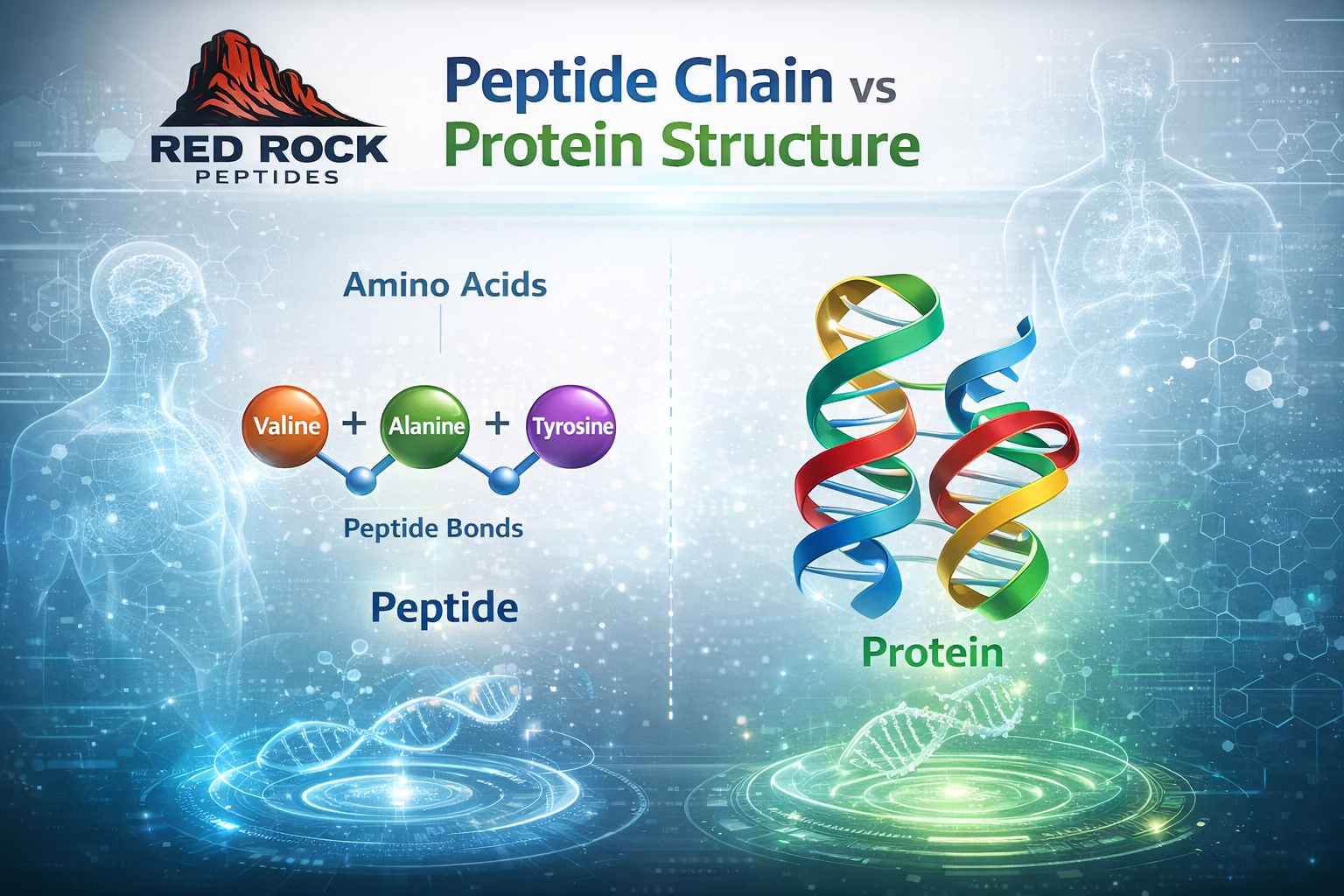
Most peptide research falls into four main categories:
These categories often overlap. That overlap is where deeper research happens.
This is one of the most established areas in peptide research.
Researchers study how signaling peptides influence tissue response, recovery timelines, and cellular communication after stress or damage.
BPC-157
Studied for its interaction with pathways tied to tissue response and repair signaling.
Research often looks at:
TB-500 (Thymosin Beta-4)
Closely tied to actin regulation, which plays a role in cellular movement and structure.
Focus areas include:
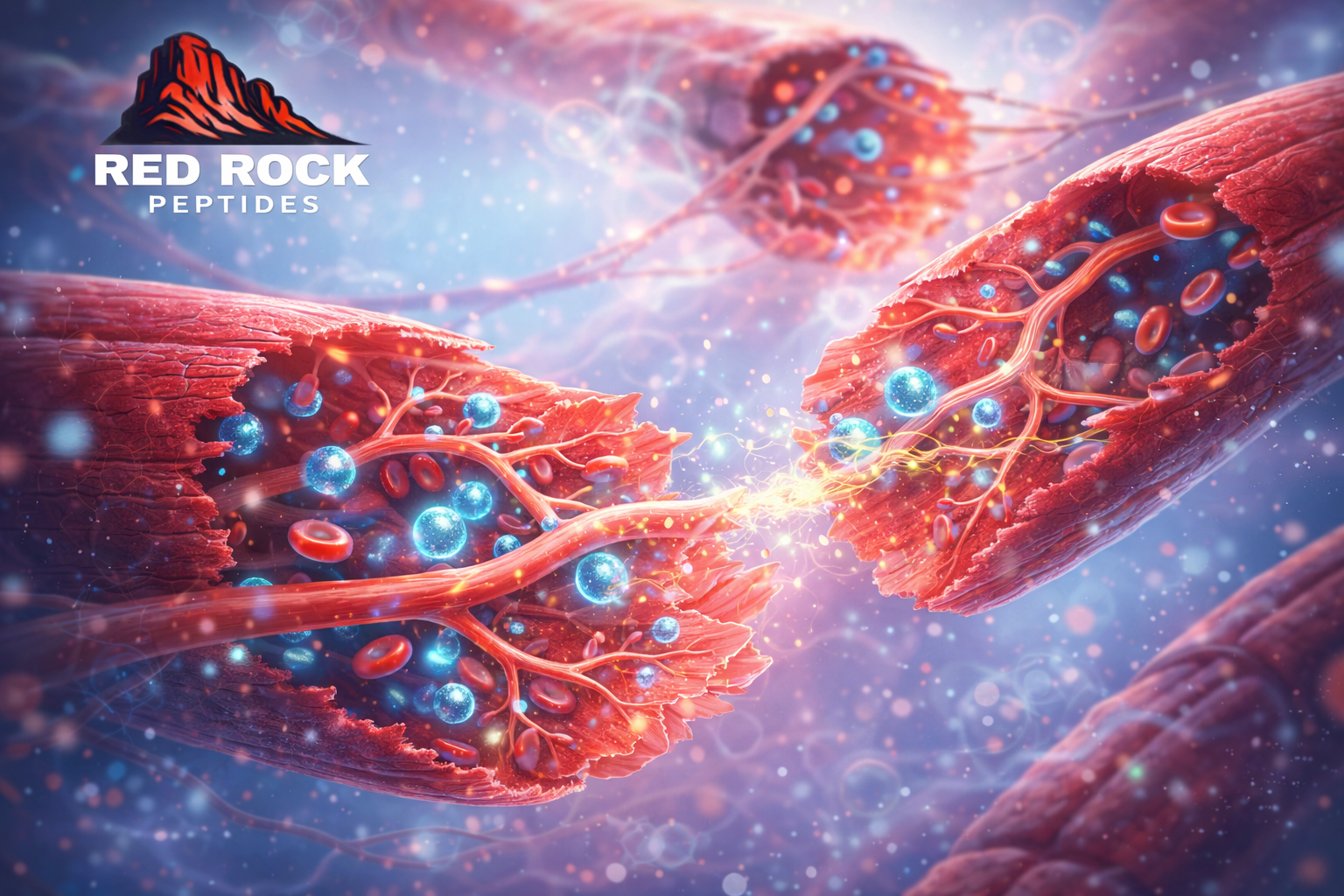 ”
”BPC-157 and TB-500 are often paired in research models.
Not because they do the same thing. But because they influence different parts of the same system. One leans more localized, while the other supports broader signaling.
This category focuses on how the body regulates growth-related signals.
Not just muscle size, but recovery, protein synthesis, and endocrine signaling.
CJC-1295 (No DAC)
Studied for its role in growth hormone signaling patterns.
Researchers examine:
Ipamorelin
Targets ghrelin receptors in controlled research settings.
Focus areas:
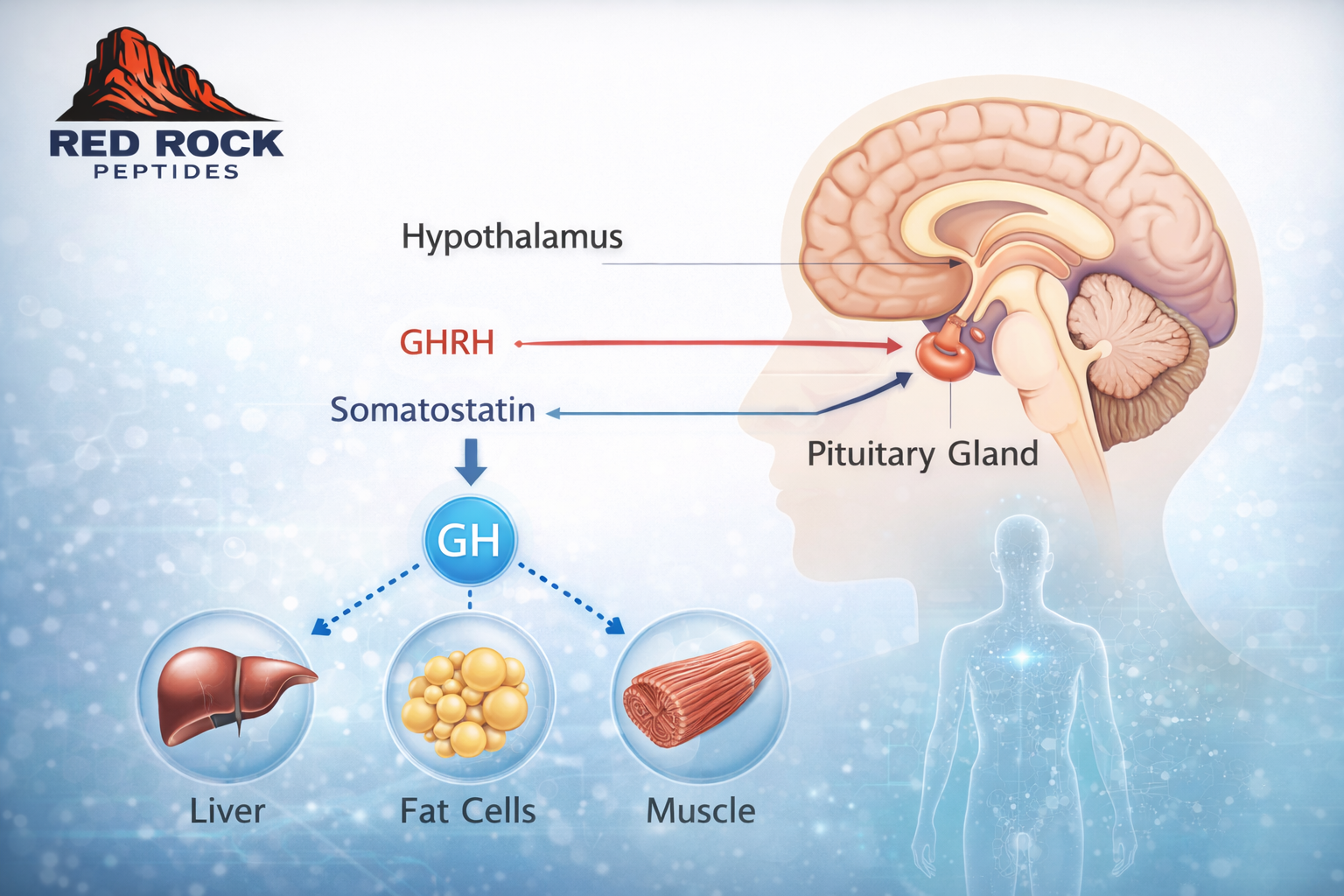
CJC-1295 and Ipamorelin are often used together in structured models to observe how multiple inputs influence the same signaling outcome.
This is one of the fastest-growing areas in peptide research.
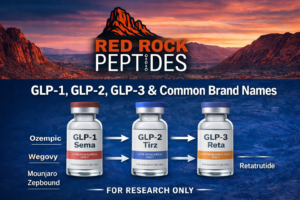
GLP-related compounds are studied for how they influence metabolic signaling. Especially around glucose regulation and appetite pathways.
GLP stands for glucagon-like peptide.
These peptides interact with receptors involved in metabolic regulation.

Semaglutide (GLP-1)
Studied for its role in appetite signaling and metabolic regulation pathways.
Tirzepatide (Dual GLP-1 / GIP agonist)
Examined for its ability to influence multiple metabolic receptors at once.
Retatrutide (Triple agonist)
A newer compound studied for broader multi-receptor signaling and advanced metabolic modeling.
GLPs are primarily focused on metabolic signaling.
They don’t directly target tissue repair or growth pathways. But they still influence the overall system. Metabolism affects recovery, and recovery influences growth.
Not every peptide fits neatly into regeneration, growth, or metabolism.
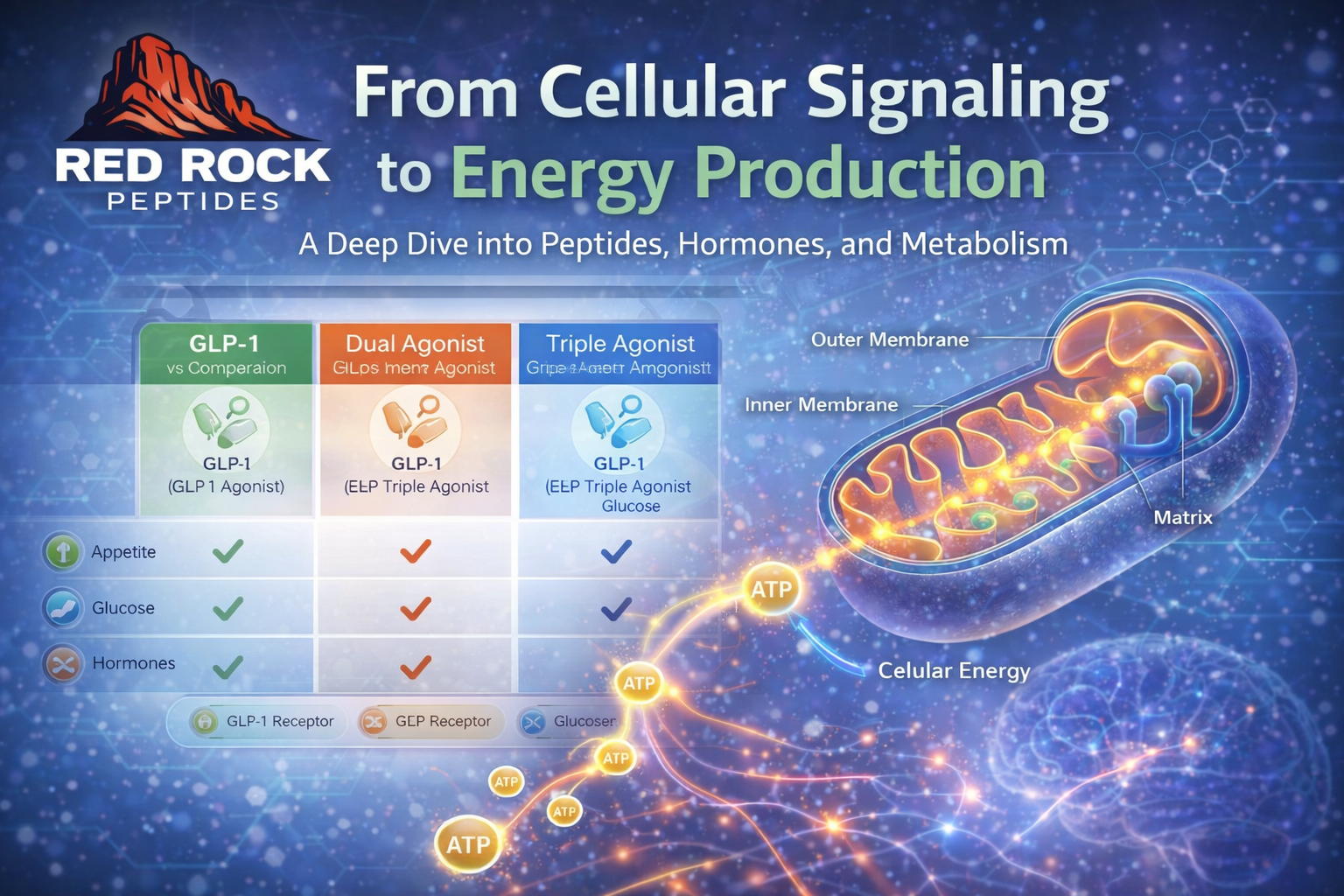
Some are studied for how they influence brain signaling, inflammation pathways, or cellular energy systems. This is where more advanced research begins to take shape.
Semax
Studied for its interaction with neurotrophic signaling pathways.
Research often examines:
Selank
Closely related structurally, but studied for different signaling behavior.
Researchers focus on:

NAD+ (Nicotinamide Adenine Dinucleotide)
Not a peptide, but frequently included in peptide research environments.
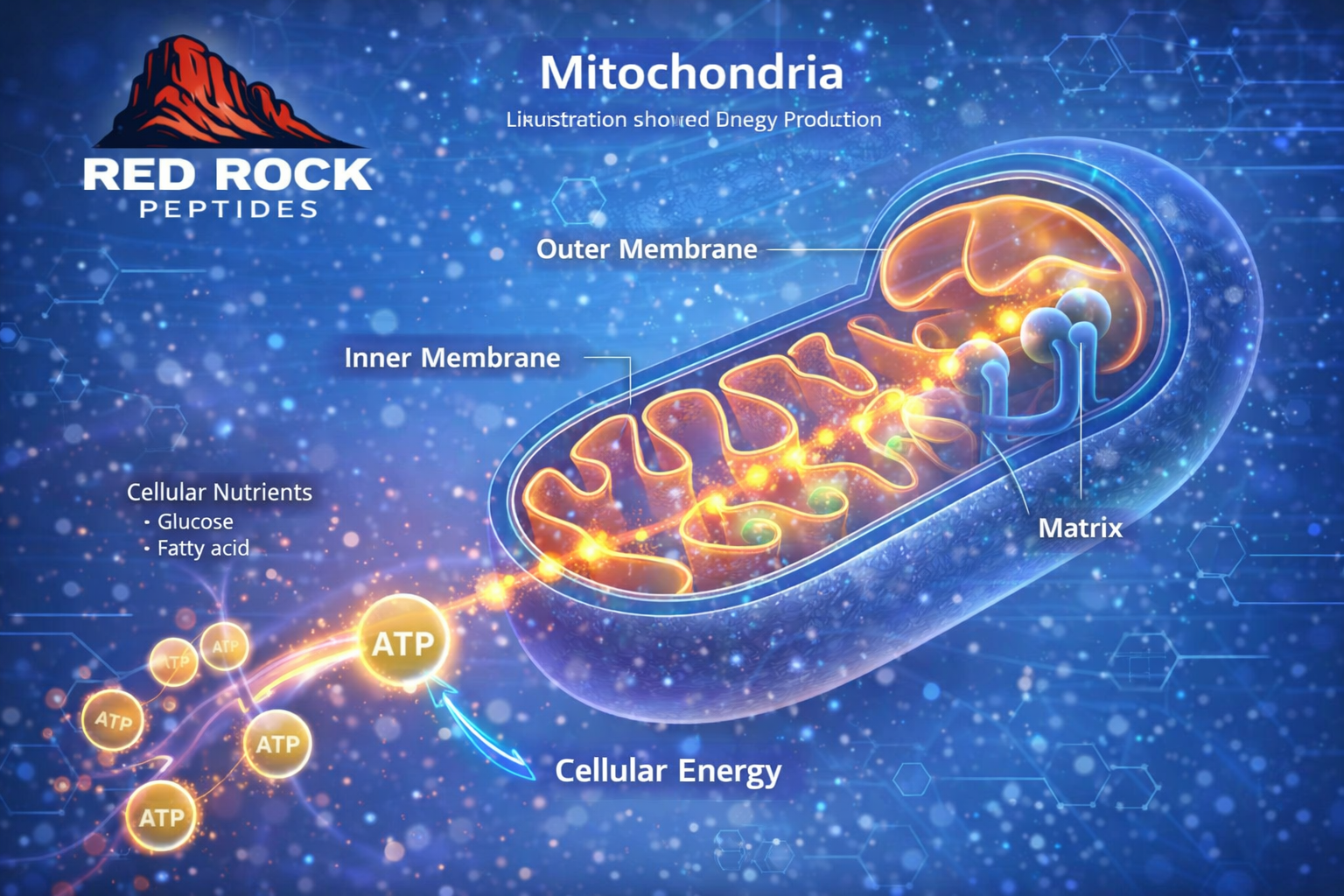
It plays a key role in cellular energy systems.
Research areas include:
MOTS-c
A mitochondrial-derived peptide.
Studied for:
GHK-Cu (Copper Peptide)
Widely studied in tissue signaling and cellular repair models.
Focus areas:
KPV
A smaller peptide fragment studied for its role in inflammatory signaling.
Research includes:
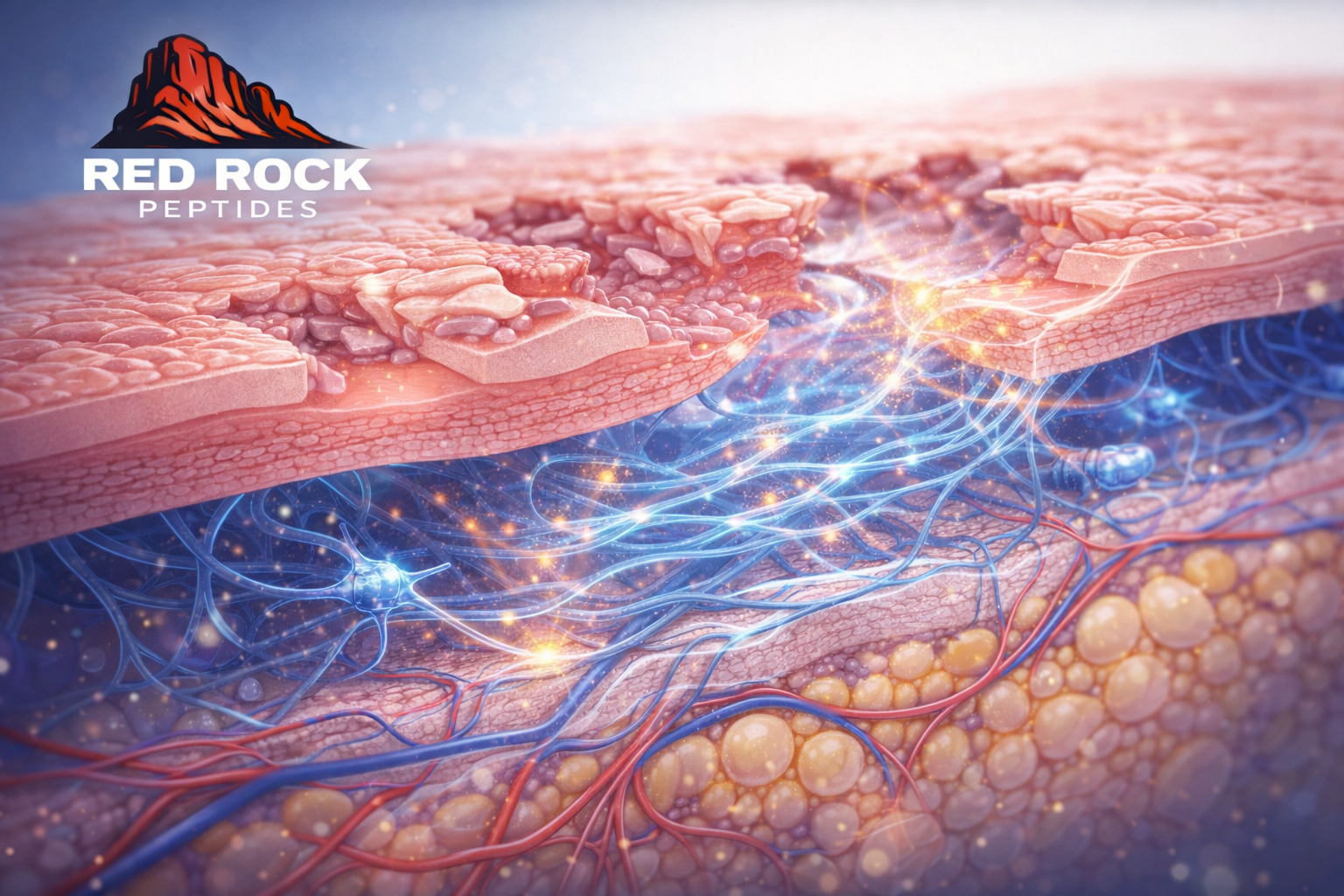
These peptides expand the overall research landscape.
At this level, peptide research becomes more about systems than individual compounds.
Some research models use multiple peptides together to observe how signals interact.
This is often done to study coordination between pathways rather than isolated effects.
Common combinations include:
It usually comes down to the purpose of the study.
Not trends. Not popularity.
Just alignment with the pathway being observed.
Researchers typically consider:
Even small differences in peptide quality can affect research results.
That’s why consistency is critical.
Researchers often look for:
Peptide research isn’t about chasing a single compound.
It’s about understanding how systems interact.
Regeneration. Growth. Metabolism. Neurological signaling.
Each area provides part of the picture. The real insight comes from how they connect.
For researchers in Southern Utah, consistency and access matter.
Red Rock Peptides supports research efforts throughout St. George, Washington, Hurricane, Santa Clara, Ivins and surrounding areas with reliable access to research-grade compounds and fast local delivery options.